佐野川茶
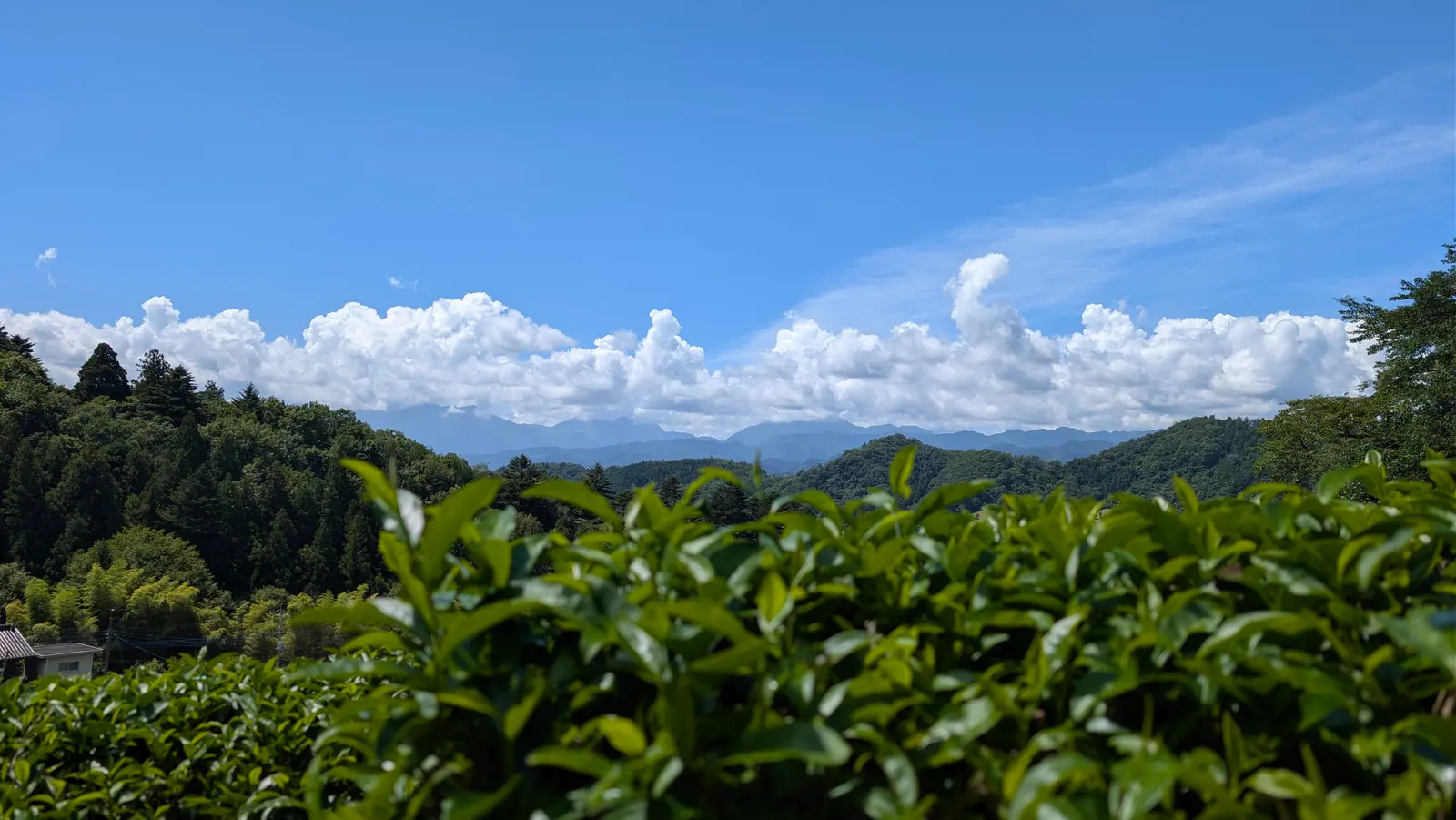
Tea leaves in the foreground, with wooded hills and a mountain ridge beneath a blue sky

Sanogawa · Midori Ward, Sagamihara, Kanagawa

Terraced Fields and Yui, Brewed into a Cup of Emerald

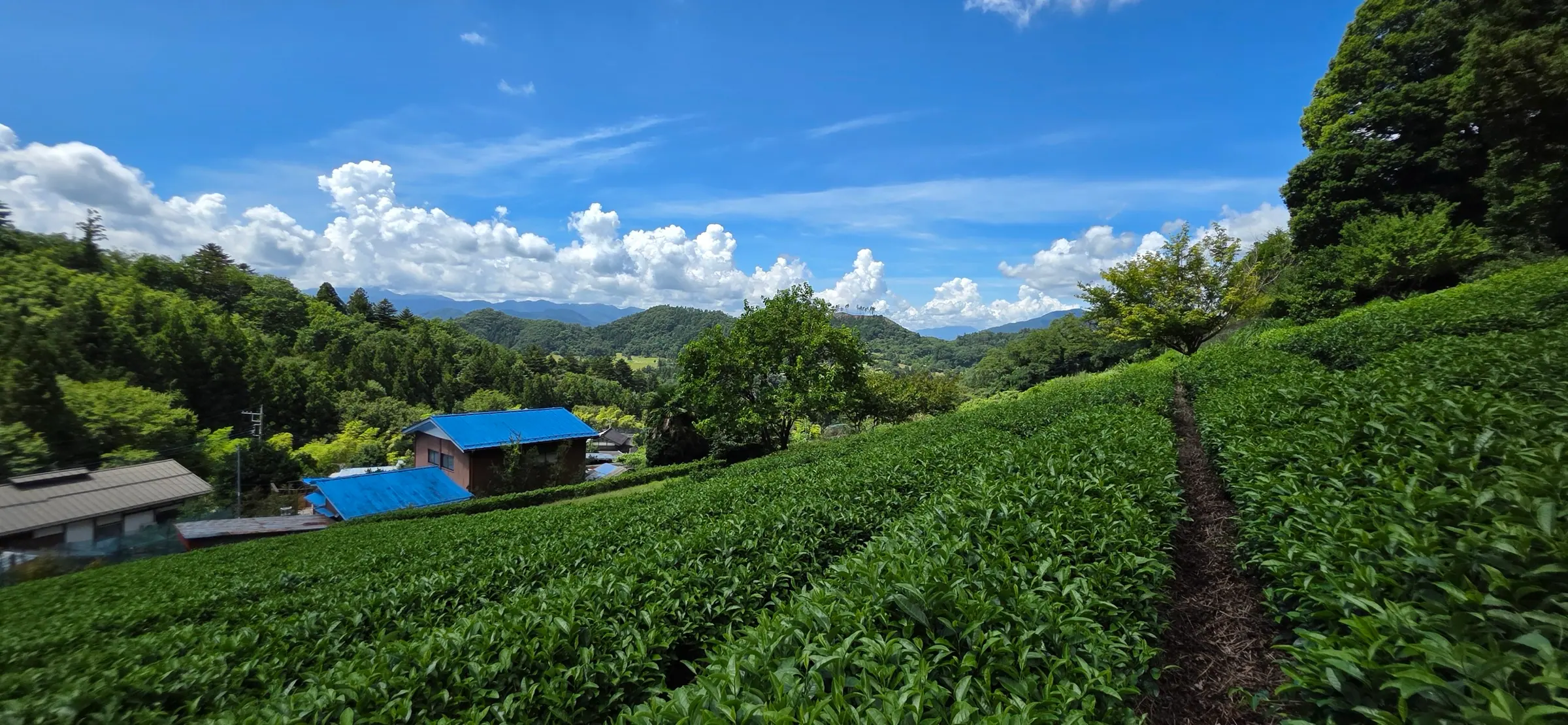
Sanogawa is a mountain district spread below Mount Jinba. Its fields are cut into the slope, reaching about 480 m at the top. On spring mornings the air drops to minus 10 °C, then climbs to 18–20 °C by day, and that swing in temperature gives the tea its strong sweetness. What has carried the tea forward is yui: the farming custom of neighbours lending a hand to get a job done. Today Miyamoto Chaen is the only farm making tea, but on harvest days local people gather to help. We would like tea lovers around the world to know this taste.

Visit the online shop

About Sanogawa

Below Mount Jinba, a village that has grown tea

Sanogawa lies at the western edge of Midori Ward in Sagamihara, Kanagawa — the district that was once Fujino, in Tsukui County. Sitting below Mount Jinba, where deep mist often settles, it has long been considered well suited to growing tea.

The tea country of Tsukui is said to reach back to the Edo period, and tea has been grown in Sanogawa since the early Showa era. Organised cultivation began in 1967 under a mountain-village development programme, and 2027 will mark exactly sixty years.

In January 2009 the Sanogawa district was named one of Japan's "100 Best Villages" (Nihon no Sato 100-sen) by the Asahi Shimbun and the Forest Culture Association, recognised for its terraced tea fields on the mountain slopes, the storehouses still standing among the houses, and the working life carried on there.

Tea from Kanagawa Prefecture has long been bought as fresh leaf by the agricultural cooperative, processed, and sold as Ashigara-cha. On 1 October 2018, Sanogawa began selling its own tea under the name of the place: Sanogawa Tea.
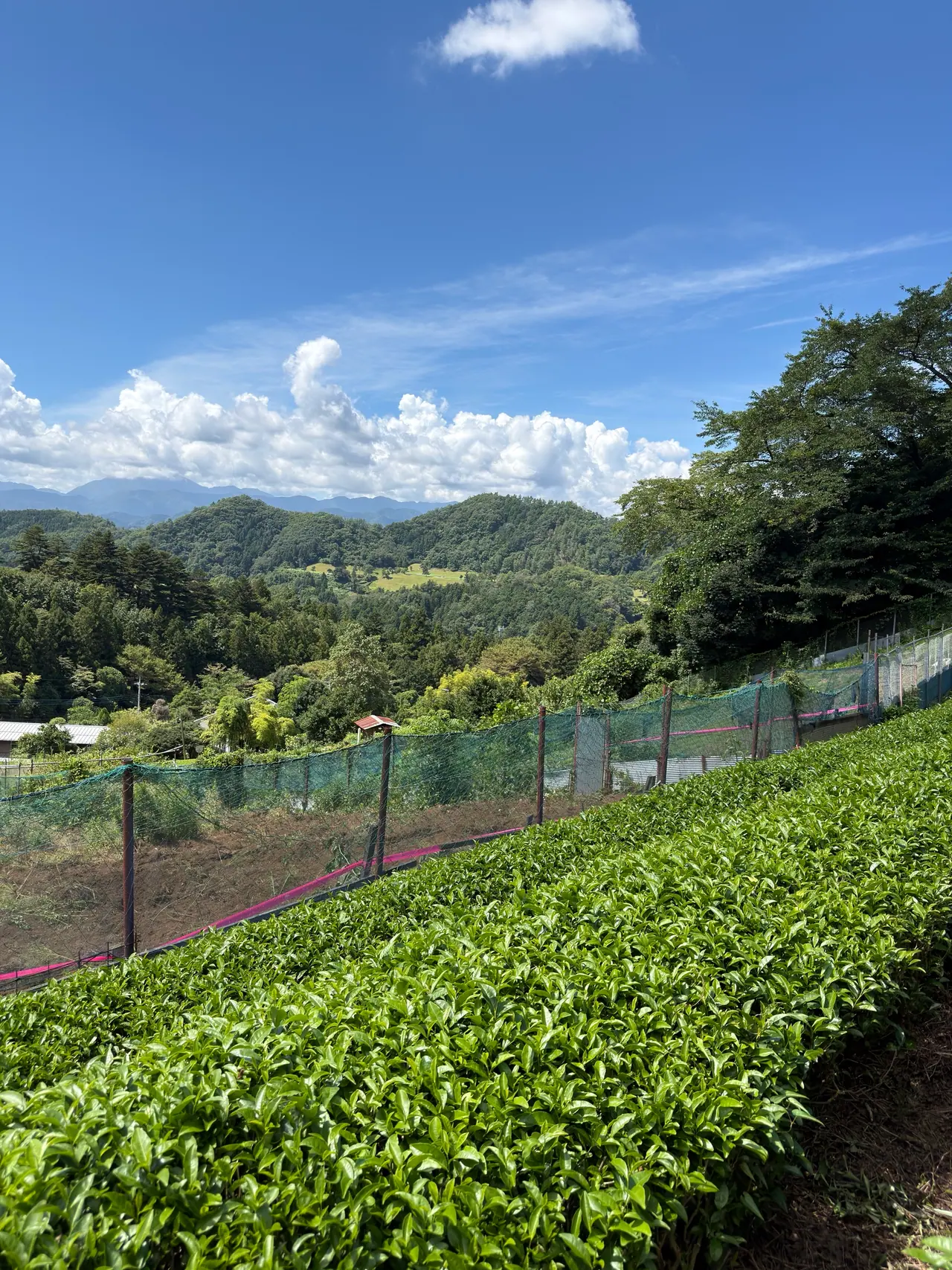
A hedge of tea bushes beside a net fence, looking out over wooded hills and mountains

100 Best Villages

Selected in 2009 for its terraced tea fields and village landscape

About 480 m

The temperature swing the altitude creates gives the tea its sweetness

The only farm

Miyamoto Chaen, still making tea in Sanogawa today
What Makes It

Temperature swings, grass, and hand-laid stone

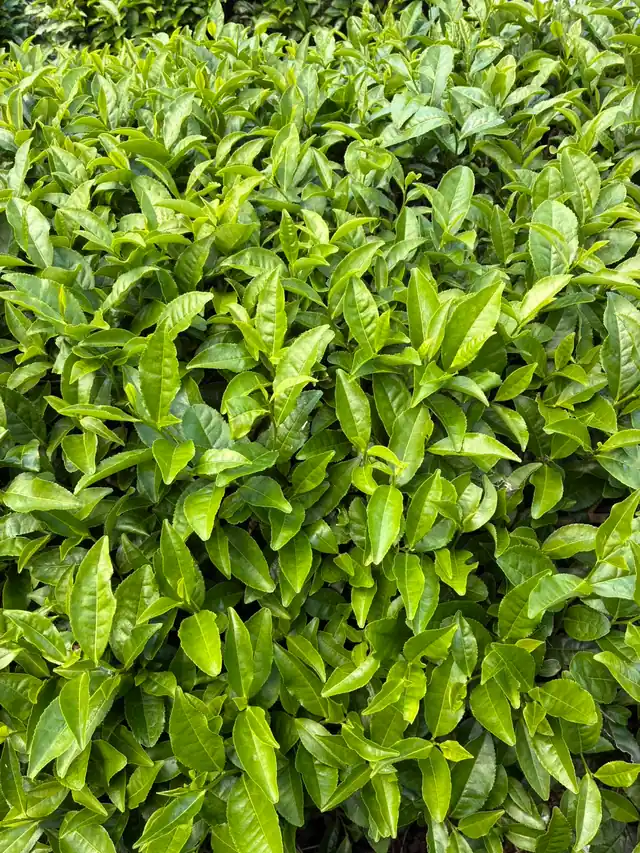
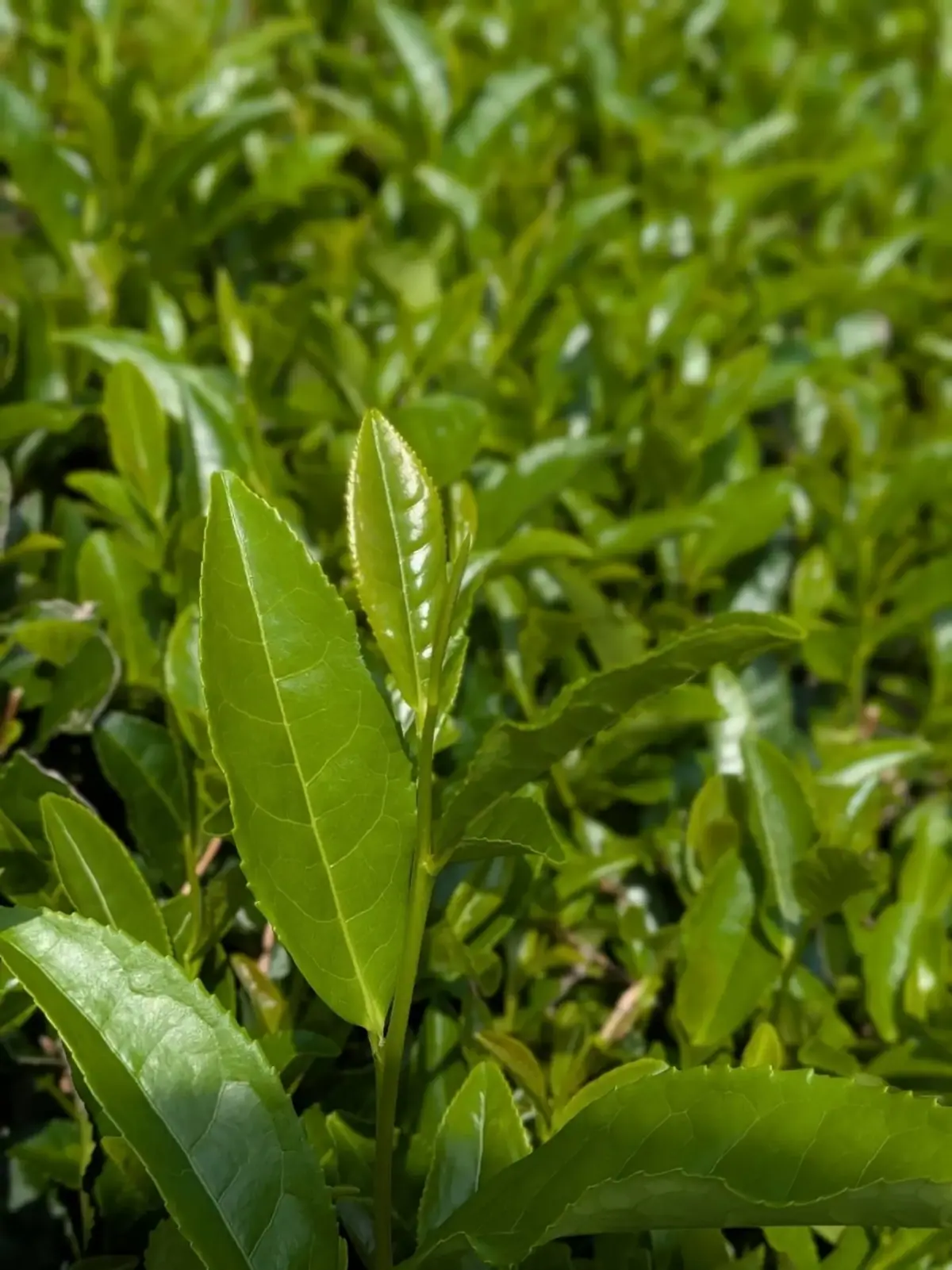
A single new shoot of tea, close up

Altitude and temperature swing

The top of the fields stands at about 480 m. On spring mornings the air falls to minus 10 °C and by day rises to 18–20 °C. The tea plants store sugar to avoid freezing, which is what makes the tea so sweet.

Chagusaba

Grass cut from the susuki meadows and thatching grounds of the satoyama is spread between the rows from autumn to winter. Four of the seven rice farmers in Chigira, Sagamiko, also supply rice straw, and are thanked with tea.

Grown without pesticides

Tea growing in Sanogawa uses no pesticides, across the whole growing area. Being able to make a safe tea is one of this region's strengths.

Fields of laid stone

These fields were built sixty years ago with carefully laid stone. When a typhoon in 2019 swept away tea fields elsewhere, not one field in Sanogawa gave way.

Tea bushes on a hillside above a few houses, with wooded hills behind and a blue sky overhead

History

How Sanogawa Tea came to be

  1. Early Showa

    Tea growing begins in Sanogawa

    Tea has been grown in Sanogawa since the early Showa era.

  2. 1967

    Organised cultivation begins

    Under a mountain-village development programme, organised tea growing began in what was then Fujino, Tsukui County.

  3. 1969

    The cooperative is founded

    The Sanogawa Tea Producers' Cooperative was established, with 130 members.

  4. Late 1970s – 1980s

    The peak

    The region established itself as the northern edge of Ashigara-cha country. Around 1993 it still had 119 members and 19 hectares.

  5. 2004

    Ageing sets in

    Ageing became pronounced, and the membership fell to about half of what it had been at the start.

  6. 2009

    100 Best Villages

    The terraced tea fields and village landscape were named one of Japan's "100 Best Villages".

  7. 2015

    The cooperative dissolves

    The cooperative was dissolved and the crude tea factory closed. The remaining farmers formed the Fujino Tea Division under the Tsukui agricultural cooperative.

  8. 2018

    Sanogawa Tea is born

    On 1 October, the tea left the Ashigara-cha supply chain and went on sale under the name of the place: Sanogawa Tea.

  9. 2026

    Miyamoto Chaen takes over

    The Fujino Tea Division was dissolved in March. From April, Miyamoto Chaen has carried on Sanogawa Tea alone.

Today

The last remaining farm keeps the tea's history alive

On top of the hard work of the steep slopes, the ageing of growers and the lack of successors have become serious problems. The Fujino Tea Division was down to three members by around 2022 and was dissolved in March 2026. Since April, Miyamoto Chaen has carried on Sanogawa Tea as a single farm.

Tea is a race against time. A single field can be cut over about a week, and is at its best for only two days. From the first cut to steaming should take no more than three hours, and Miyamoto Chaen cuts about 1,500 kg of fresh leaf in two days. In 2026, with help from former colleagues and local farmers, the whole harvest was brought in.

The quality has been recognised step by step. When Miyamoto Chaen first entered the prefectural tea competition in 2018, in its second year of farming, it placed 120th out of 120. After careful pruning, appropriate feeding and strict adherence to the three-hour rule, it took two second prizes and two third prizes in 2024, three second prizes in 2025, and a third prize in 2026.

This page was made so that tea lovers around the world might come to know this rare tea, protected and nurtured in this way.

Discover

Sanogawa Tea

A sencha with a generous aroma and a pronounced sweetness; alongside a measured bitterness, both sweetness and umami come through. Only the first flush is harvested.

Visit the online shop

The online shop is named “Ashigara Tea” (ashigara-tea). Sanogawa tea is one of the Ashigara tea growing areas, and you can find it in this shop.

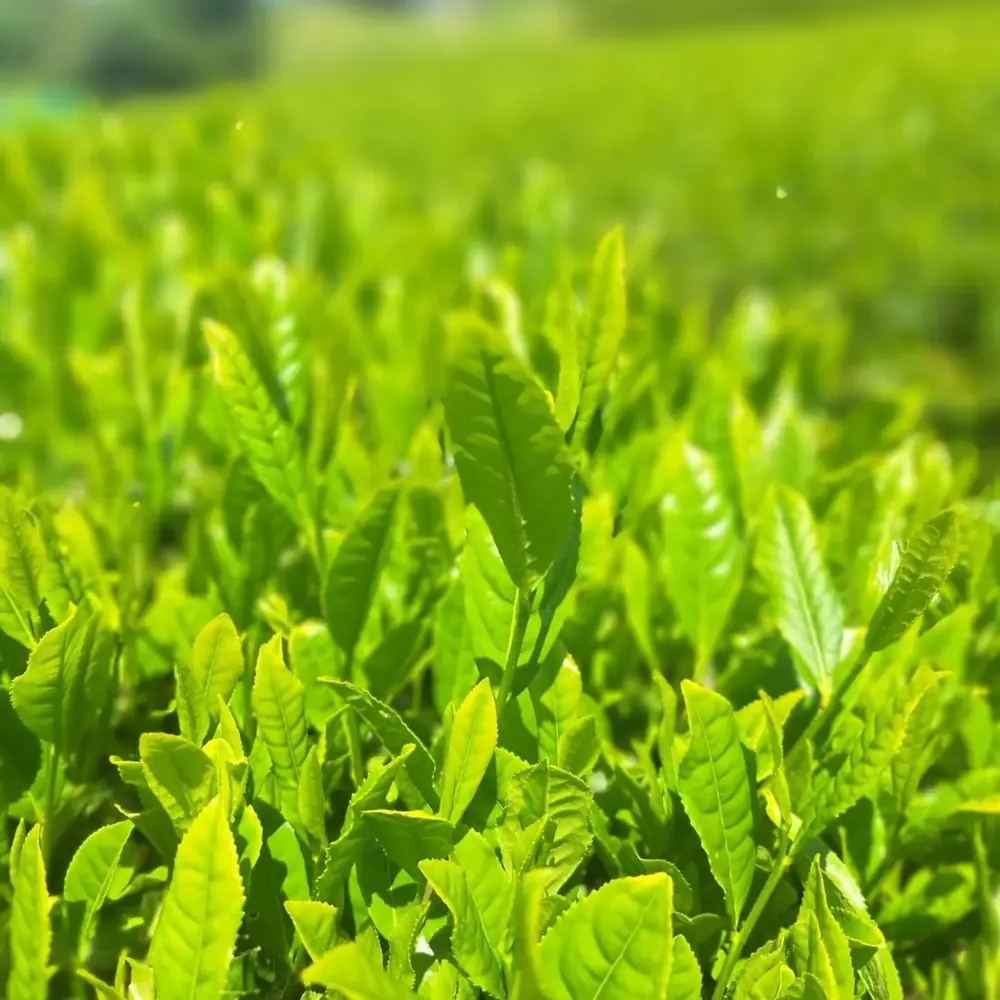
Fresh tea leaves in bright sunlight, close up

For product details, prices and orders, please see the online shop. For enquiries about the tea, get in touch through the social accounts below.

Contact

Find us on social media

News about sales and events, and how the tea fields look right now, go out through the accounts below. Enquiries are welcome by message to any of them.

The grower — Miyamoto Chaen

Instagram@miyamotochaen